

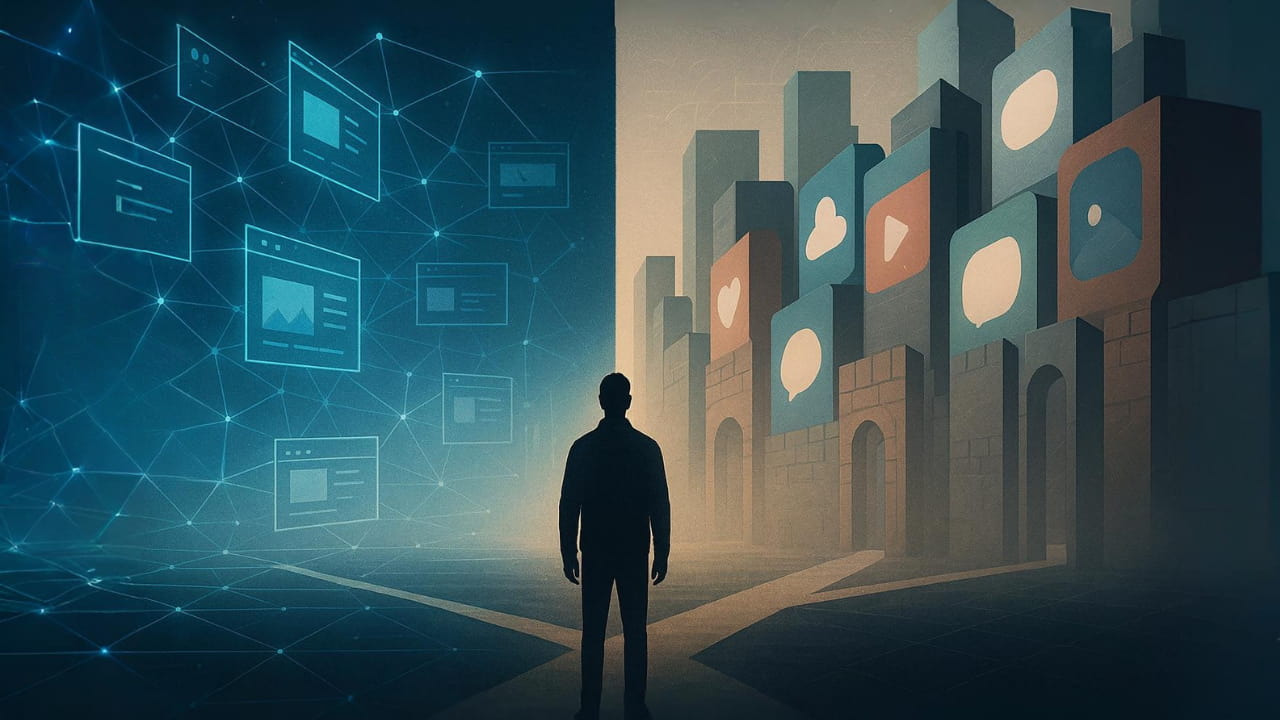

Have you ever felt the magic of how we used to explore the internet? I remember those days sitting at my clunky desktop, clicking through hyperlinks like they were portals to unknown worlds. It wasn’t just browsing, it was exploring.
Back then, one search could take you anywhere. You might start with a movie review, drift into a fan forum, stumble across someone’s late-night blog post, and somehow feel like you had discovered a hidden corner of the internet meant just for you. Each click mattered. Each page felt earned.
Now? our online experience often feels more guided than discovered. Algorithms predict what we might like, and our curiosity is confined to bite-sized recommendations. We’re no longer explorers; we’re passive consumers, our digital journeys increasingly predictable.
But the spirit of discovery isn’t dead. It’s waiting for us to break free, to wander, to click randomly, and follow our genuine curiosity.
The Era of Exploration
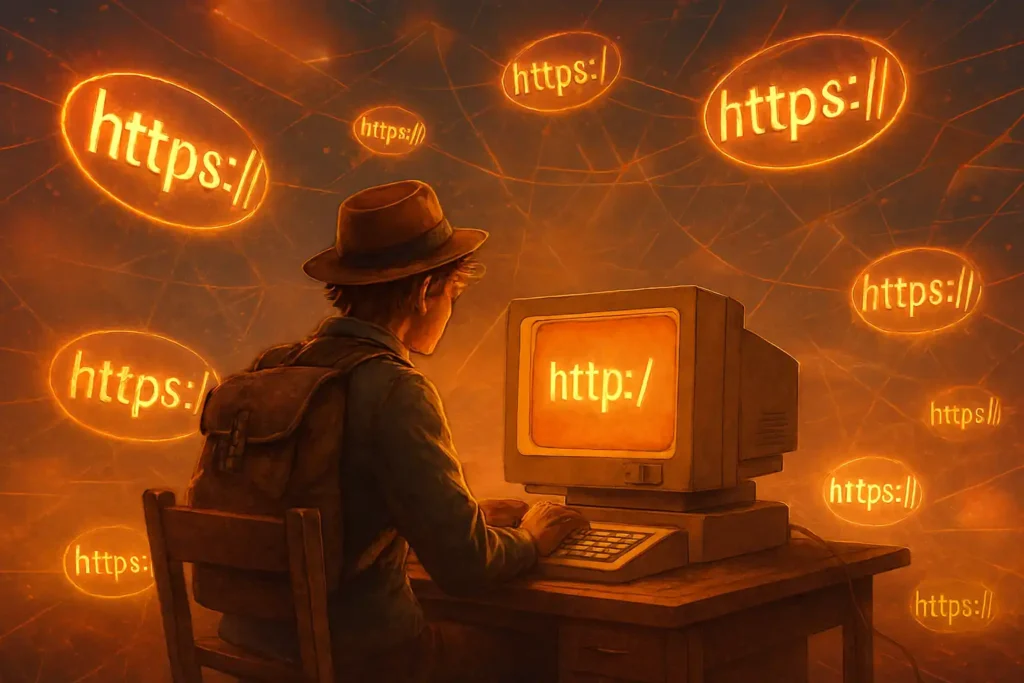
I remember the internet before it became a highway of algorithms, back when browsing felt like treasure hunting.
My earliest online memories are of clicking links like they were secret passages. One moment you’d be reading about vintage cameras, and suddenly you’d land on a stranger’s blog about their photography journey in rural Japan. Each link was a surprise, each click an invitation to something unknown.
Today we no longer move through the internet freely, we move through carefully designed paths. Algorithms have replaced curiosity. We scroll instead of discover, consume instead of explore. Social media feeds are carefully constructed, designed to hold our attention, not expand our understanding.
The Era of Platform Control
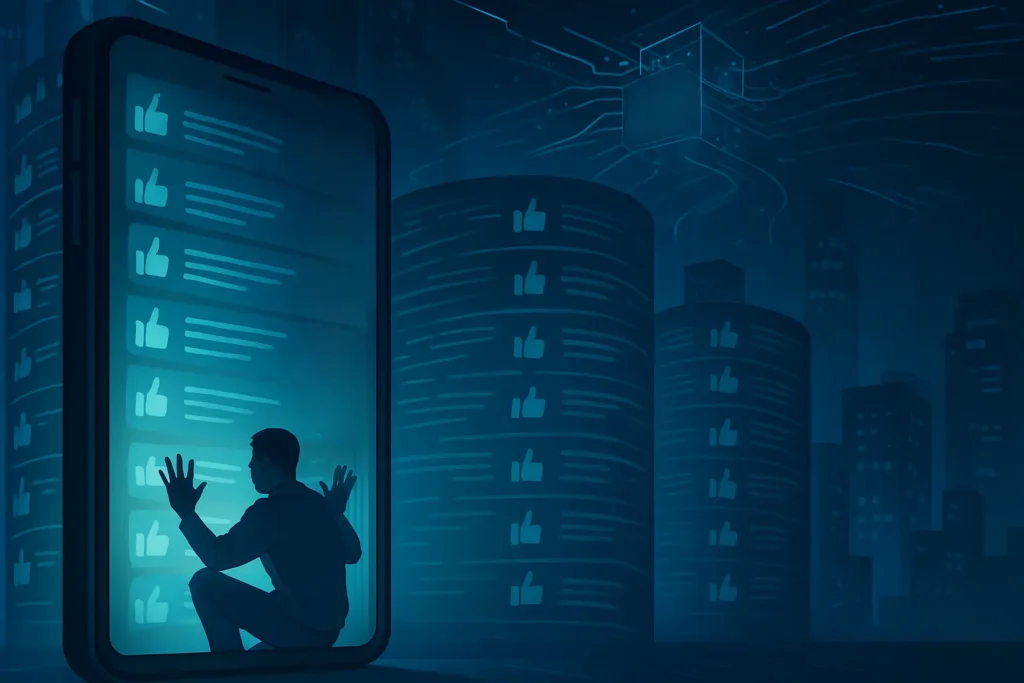
We used to visit apps. Now, apps visit us, sliding into our lives like a friend who knows exactly what we want to hear.
Open Netflix, and there’s your perfect show. Tap Spotify, and suddenly there’s a playlist that feels like it read your mind. Open Instagram, and it’s already moving, waiting for you. These platforms are becoming our digital companions that seem to understand us better than we understand ourselves.
Every scroll, every pause, every skipped song becomes a signal. Slowly, the algorithm builds a portrait of you in fine detail. It learns your late-night viewing habits, your mood-based music choices & the exact moment you might get bored.
The magic trick is how natural it feels. The recommendations are so good, so precisely tuned, that leaving seems pointless. Why would you? Everything you might want is right here, served up perfectly, requiring nothing more than a lazy thumb swipe.
But here’s the quieter truth. This comfort comes with a cost. As platforms grow better at holding us, the wider internet fades into background noise. We are no longer exploring freely. We are being studied, our curiosity mapped, our attention turned into currency.
The doors are still open. We just stopped noticing them.
The Quiet Closing of the Web
I remember when the internet felt like a collaborative playground. Apps worked together smoothly, developers created helpful tools on top of existing platforms, and users simply enjoyed better experiences without thinking about what was happening behind the scenes.
Then came 2023, the year the walls began to rise. Reddit decided to make API access so expensive that beloved apps like Apollo and Sync couldn’t survive. Developers who had spent years building tools that millions of people loved suddenly found themselves priced out. These were thriving communities that simply couldn’t afford the new rules.
X (formerly Twitter) went even further, removing free API access entirely. Apps like Tweetbot and Twitterrific – tools that had defined how many people experienced social media, disappeared overnight. One day, they were part of people’s daily lives. The next, gone.
Platforms had their reasons. They spoke about protecting data, fighting bots, generating revenue. On paper, their arguments made sense. AI models were using their data. Advertising needed more precise tracking. Spam was a real problem.
But the real story was simpler: control.
By closing API access, platforms weren’t just protecting themselves. They were eliminating alternatives. Independent apps that offered better experiences, more accessibility, unique features. Ultimately leading to less choices for end user.
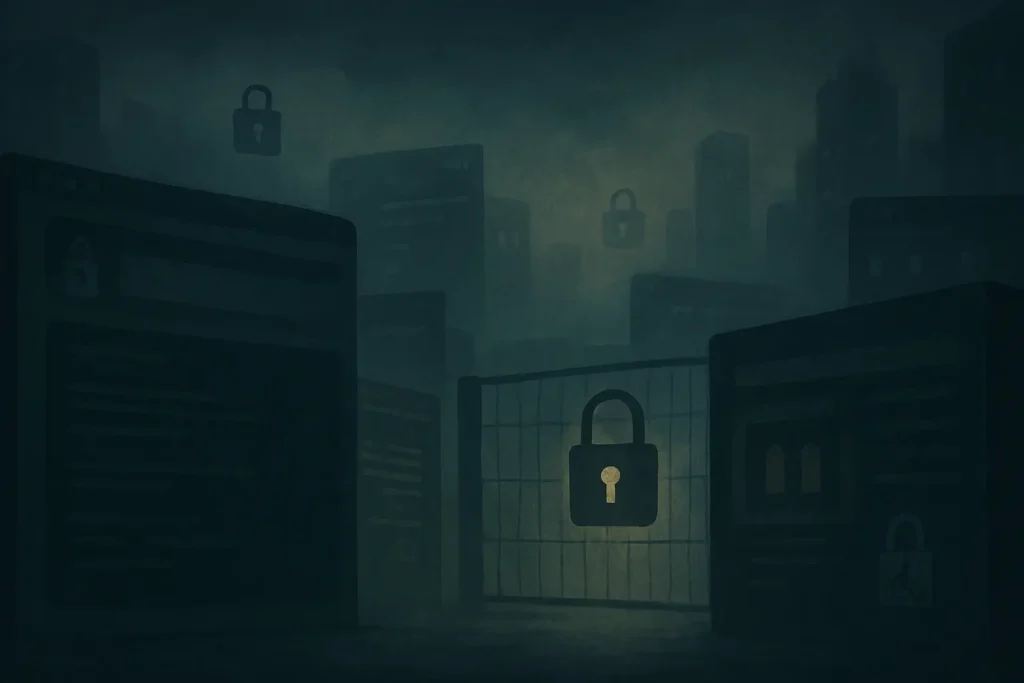
This isn’t just about apps. It was a fundamental reshaping of the internet. Platforms were no longer shared spaces. They became walled gardens, controlled entirely from the top down.
The Era of Rented Spaces
There was a time when online spaces felt like real communities. You’d create a blog, a forum profile, or a personal page that was genuinely yours. Each post, each interaction felt like building something lasting. Your followers weren’t just numbers – they were people who chose to listen, engage, and connect.
Now? The spaces we thought were ours feel different. Platforms decide what’s visible, who sees it, and how far our posts travel.
Algorithms are the new gatekeepers. A single tweak can make a post go viral or vanish from feeds. Your carefully crafted content might reach a handful of followers or suddenly explode & you’ll never fully understand why.
The platforms offer a trade-off. Better recommendations. Reduced spam. More relevant connections. But the price is control. Your community isn’t truly yours anymore, it’s subject to rules that can change at any moment.
We’re not building communities the way we used to. We’re learning to adapt with algorithms, to understand their rhythms.
The internet doesn’t take away your space all at once. It nudges you, quietly, reminding you that online ownership is more complicated than it ever was before.
But Internet Isn’t Lost: It’s Quietly Changing
After seeing how the web has changed, it’s easy to feel a little lost. But all is not gone. The web hasn’t disappeared. It’s just hiding, waiting for those curious enough to look beyond the obvious.
RSS feeds and newsletters are your new compass. They’re like secret passages around algorithmic walls, letting you follow creators directly. No platform decides what you see, you do. Decentralized spaces like Mastodon and PeerTube? They’re the new digital frontiers, where communities truly belong to their members.
Being smart online now means being intentional. Understand how your data moves, make conscious choices about privacy, and customize your experience. Even small tweaks can restore a sense of control we’ve lost over time.
Curiosity isn’t gone, it’s waiting for us to break free from automated feeds. The internet is still full of unexpected connections, hidden corners, and genuine conversations. You just have to be willing to seek them out. The web hasn’t closed. It’s quietly asking: how much do you really want to explore?