
So you probably saw it. Discord set a deadline for age verification.
Starting March 2026, they want users to verify their age potentially with a Government ID or facial estimation or lose access to certain features. That means restricted servers & limited functionality until you comply.
And that single move triggered thousands of users started looking for exits.
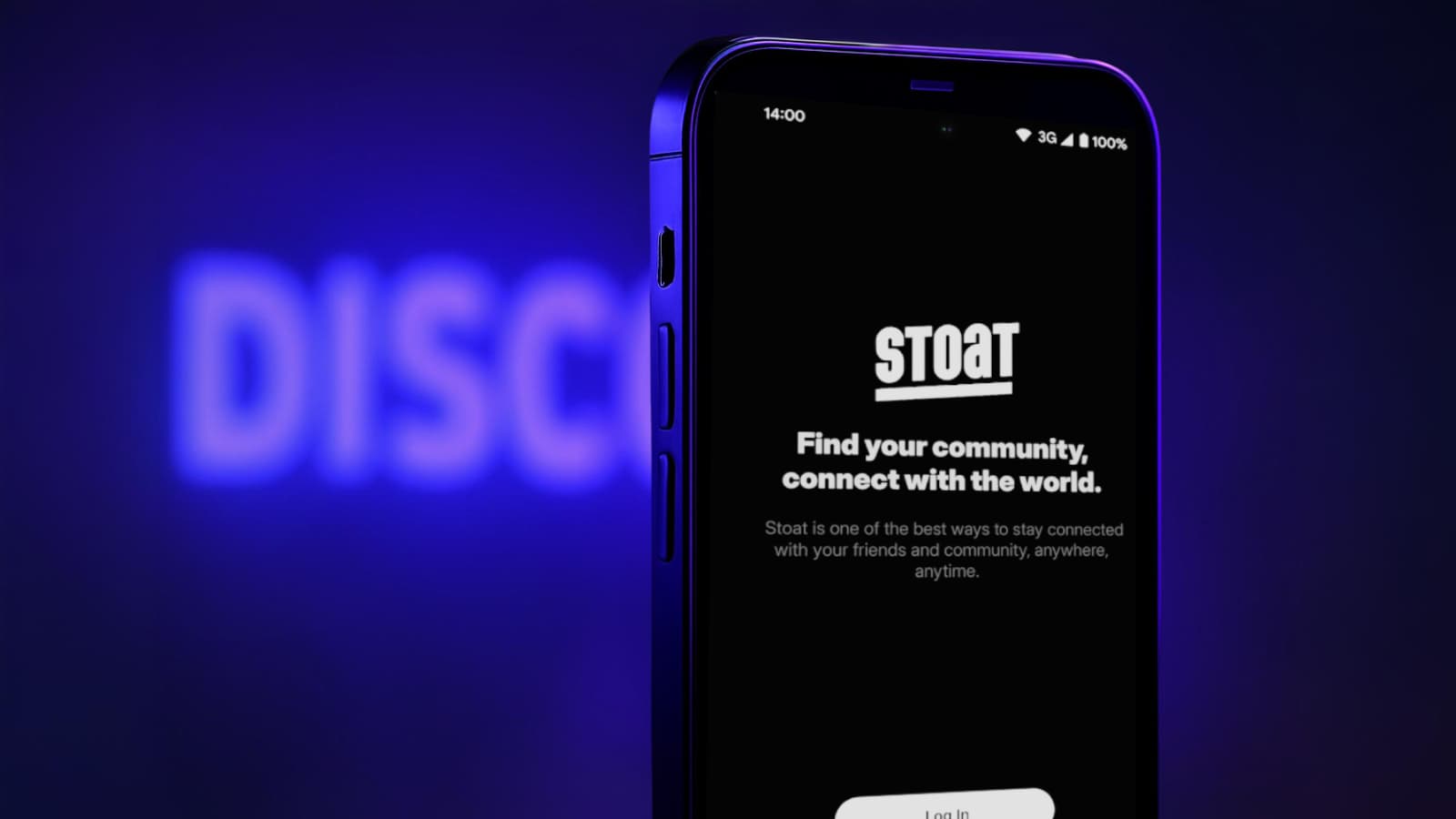
One of the biggest beneficiaries? Stoat (formerly known as Revolt)
Yes, that Revolt. The open-source, community-built Discord alternative that built a loyal user base over the past few years. Now rebranded as Stoat, the project is doubling down on a simple promise.
User-first. Open source. No forced surveillance energy & when a massive platform tightens control, smaller platforms don’t need to advertise.
People come looking.
What is Stoat, Actually?
In a nutshell? Stoat (formerly Revolt) is an open-source, community-driven chat platform built as a lightweight alternative to Discord. If the name sounds new, that’s because it is. Until late 2025, the project was known as Revolt
The rebrand wasn’t a marketing choice, it was a legal necessity. According to the official announcement from the developers:
Just to make this abundantly clear, we received a cease & desist against our use of the name ‘Revolt’… we are not releasing any further details as this may cause harassment of the other party and may hurt negotiations. I apologise for the way this ended up being handled, we will do better in the future
Despite the sudden name change (which some users found surprising), the mission remains the same: a chat app where the user isn’t the product. As a Discord User It does the things you expect:
- Servers
- Channels
- DMs
- Roles and permissions
- File sharing
- Voice chat
But the philosophy is different. Stoat isn’t trying to be a social network It’s smaller. Leaner & Still growing.
What’s Changing on Discord?
Discord is rolling out stronger age verification measures in 2026.
If you want full access especially to age-restricted servers & sensitive content, you may be asked to verify your age. That can include uploading a government ID or completing a facial age check.
If you don’t verify, your account won’t disappear. But your access may be limited.
This move by Discord triggered users Because once a platform starts asking for ID, it stops feeling like “just a chat app.” Even if the data is handled responsibly. Even if it’s required by regulation.
It changes the relationship.
And when the relationship changes, people start looking around for other options. Here’s a straightforward comparision between Discord & Stoat.
| Feature | Discord (2026) | Stoat (Revolt) |
| Privacy Model | Corporate / Identity-Linked | Open-Source / Anonymous |
| Verification | Mandatory ID/Face Scan (March) | None / Community-Led |
| Code Base | Proprietary | Fully Open Source |
| Data Ownership | Centralized | Optional Self-Hosting |
Why People Are Exploring Stoat?
Its because Stoat gives people exactly what they want: Privacy.
It’s open source, which means the code is public. The community can see how it works. That transparency matters to a certain type of user especially developers and privacy conscious communities.
There’s also the appeal of being early. That means Smaller servers & Closer community.
Now, that doesn’t automatically make it better than Discord. But it makes it different.
And when people start wanting different, they start exploring.
Related: 5 Open-Source Discord Alternatives That Don’t Care Who You Are
Is Stoat Ready to Replace Discord?
Short answer? Not yet. Stoat is still small compared to Discord.
Discord has years of infrastructure, billions in funding, massive moderation systems, and a global user base. Expecting Stoat to match that level of scale overnight just isn’t realistic.
That’s normal for a growing platform. But here’s the interesting part.
It’s growing!
Many Stoat servers are seeing thousands of new joiners. Communities are experimenting, rebuilding, testing what it feels like to start fresh somewhere smaller. Early adopters seem to enjoy the lighter feel and the direct connection to developers.
Right now, Stoat isn’t replacing Discord. It’s becoming an option.
Also Read: Not Everything Needs AI: 7 Powerful Alternatives to the Apps Everyone Uses
The Bigger Trend
This isn’t really just about Discord & it’s not just about Stoat either.
It’s about something bigger. It’s about a fundamental breakdown of trust between users and big tech.
Over the past few months, we’ve seen a pattern of “Forced Biometrics” sweeping the web.
- Regulators are pushing for “Age Verification” laws that essentially turn your government ID into a digital passport just to enter a chat room.
- Discord is demanding IDs for 18+ servers.
- Meta is allegedly timing its “Name Tag” facial recognition launch for later this year to identify people in real-time.
When a platform asks for your ID, the relationship changes. You go from being a user to being a profiled entity.
This is why platforms like Stoat (and other open-source alternatives like Matrix or Piped) are growing. It’s not just about better features, it’s about Digital Sovereignty.
In 2026, “Privacy” isn’t a luxury, it’s a defense mechanism.
Also Read: 5 Best OpenClaw Alternatives to Try Now After Peter Steinberger Joins OpenAI
Wrapping Up
So, is Stoat the new Discord? Not yet
It’s smaller, evolving & still proving itself.
The reason people are moving isn’t hype. It’s wanting options. And that’s the real story here. Some users are comfortable verifying their age and staying on Discord. Others would rather try something leaner and see how it feels.
Stoat doesn’t need to beat Discord to matter. It just needs to be good enough for the people who want something different.
And right now, that group seems to be growing.