
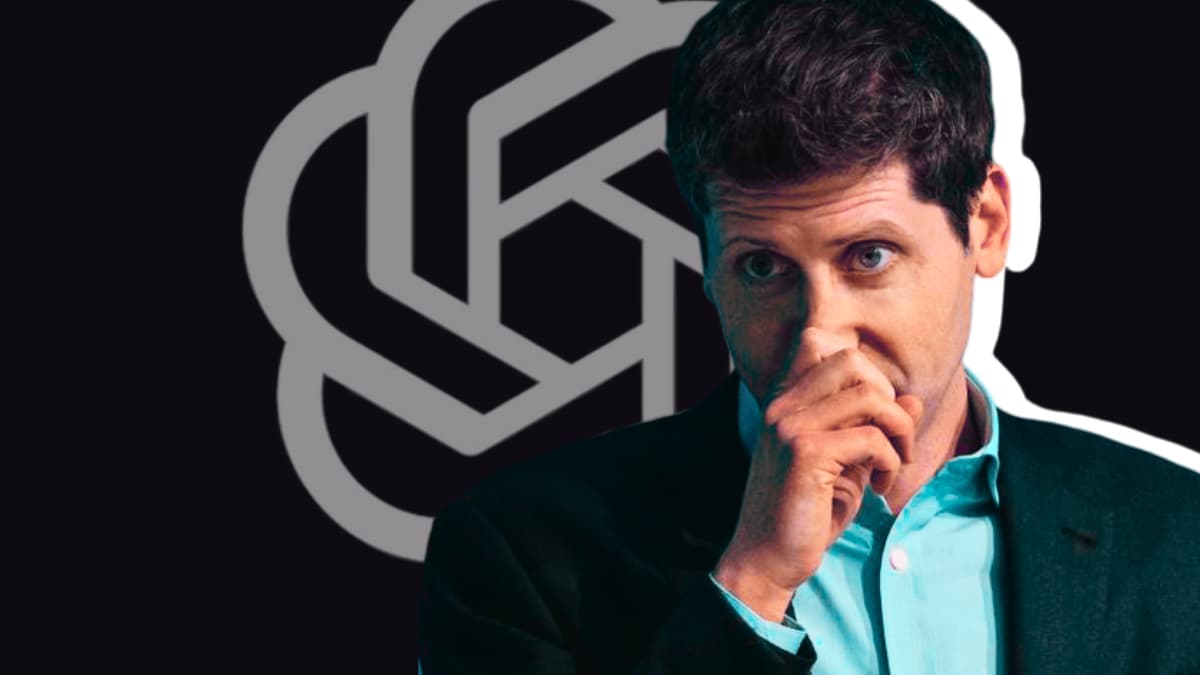

OpenAI may be heading toward an IPO sooner than most people expected. Just one day after Elon Musk lost the lawsuit that threatened OpenAI’s structure and future plans, reports surfaced that the company is preparing for a potential public offering as early as September. According to the Wall Street Journal, OpenAI has been working with Goldman Sachs and Morgan Stanley and could confidentially file paperwork within weeks.
For months, Musk’s case hung over OpenAI like a giant unresolved question mark. The lawsuit did not just target Sam Altman personally. It challenged the company’s entire transformation from nonprofit research lab into one of the most commercially powerful AI companies in the world. A bad outcome could have complicated restructuring plans, scared investors, or at the very least slowed everything down.
OpenAI was founded as an attempt to build advanced AI outside the normal incentives of Silicon Valley. If the company really is heading toward public markets now, then that original version of OpenAI is fading fast.
Table of Contents
OpenAI wasted no time after the verdict
The company has not confirmed the report publicly, but the direction itself is not surprising anymore. OpenAI already operates at the scale of a major tech platform. It has enterprise products, massive infrastructure spending, strategic partnerships, and a revenue race happening in parallel with the broader AI arms race.
What changed is that one of the biggest legal threats hanging over the company suddenly disappeared.
Musk’s lawsuit had the potential to create serious uncertainty around OpenAI’s structure at exactly the wrong moment. Investors tend to hate unresolved legal questions, especially ones tied to corporate governance and ownership. Now, after the jury rejected Musk’s claims on statute of limitations grounds, OpenAI can move forward without a courtroom potentially interfering in its restructuring plans.
And timing matters here for another reason too. Silicon Valley is heading into what could become the biggest AI capital race yet. Reports say SpaceX may also move toward an IPO soon, which means OpenAI and Elon Musk’s broader AI ecosystem could end up competing for public market attention almost simultaneously.
The original version of OpenAI is fading fast
At this point, OpenAI already behaves more like a large tech company than a research lab.
The company is selling enterprise tools, competing aggressively for talent, spending billions on compute, and expanding its ecosystem across coding, search, productivity, and agents. An IPO would push that shift even further because public markets come with a completely different kind of pressure.
Growth targets become quarterly expectations. Product launches become revenue events. Safety debates start competing with shareholder expectations.
And that creates an interesting tension around OpenAI itself. The organization was originally introduced as an alternative to the normal Silicon Valley incentive structure. Now it may become one of the clearest examples of it.
You May Like: Elon Musk Lost His OpenAI Lawsuit. The Bigger Question Was Never Put to the Jury
Silicon Valley’s biggest AI rivalry is entering a new phase
For years, the Musk vs Altman conflict mostly played out through tweets, interviews, lawsuits, and competing narratives about what AI companies should become.
Now money is entering the picture at an entirely different scale.
OpenAI is reportedly preparing for a public offering. Musk has folded xAI into the broader SpaceX ecosystem. Both sides are racing for talent, infrastructure, compute, and influence at the exact moment AI becomes the most important market in tech.
This is no longer just an argument about AI safety or nonprofit ideals. It is becoming a battle over who gets to define the next era of the industry and who investors believe will dominate it.
OpenAI’s next phase is going to look very different
OpenAI’s future used to revolve around research papers, safety discussions, and the idea that advanced AI should be developed outside the normal incentives of Big Tech.
Now the company is preparing for something much bigger and much messier: public markets, investor pressure, and direct competition at a scale very few companies ever reach.
The lawsuit may be over, but the bigger transformation around OpenAI is still speeding up.